
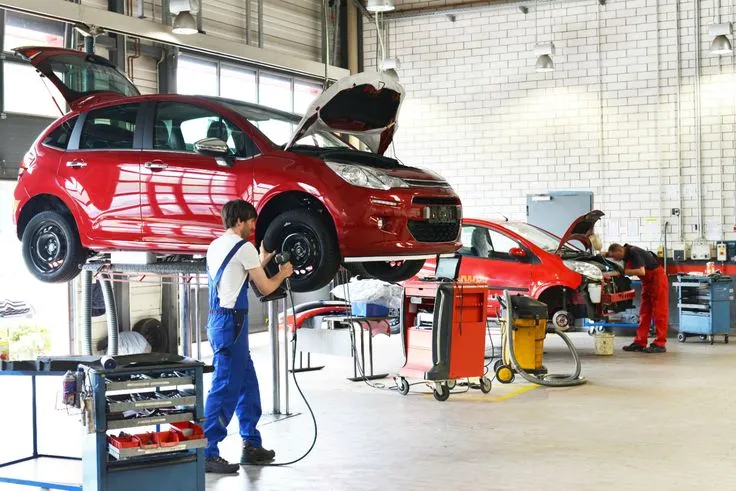
Maintaining your car regularly is essential to ensure it runs smoothly, safely, and efficiently. Whether you're a first-time car owner or a seasoned driver, learning a few simple habits can save you money and extend the lifespan of your vehicle.
1. Check Fluids Regularly: Your car relies on various fluids to function properly—engine oil, transmission fluid, brake fluid, coolant, and windshield washer fluid. Make it a habit to check these fluids every few weeks or before long trips. Low or dirty fluids can cause performance issues and costly damage.
2. Monitor Tire Pressure & Condition: Driving with under-inflated tires affects your car’s fuel efficiency, handling, and tire lifespan. Use a tire pressure gauge monthly and before road trips. Also inspect for wear and tear, and rotate your tires every 5,000–8,000 kilometers.
3. Change Engine Oil Timely: Oil lubricates the engine and keeps it cool. Over time, it breaks down and becomes less effective. Refer to your owner’s manual to know how often you should change your oil—it’s typically every 5,000 to 10,000 kilometers depending on usage and oil type.
4. Replace Air & Cabin Filters: Air filters prevent dust and debris from entering the engine. Cabin filters keep the air you breathe inside clean. Replace engine air filters every 12,000 to 15,000 km, and cabin filters once or twice a year for optimal performance and health.
5. Inspect Brakes: Brakes are critical to your safety. If you hear squealing or feel vibrations when braking, get them inspected. Regular brake checks can prevent larger repairs and ensure safe stopping in emergencies.
6. Keep the Battery Healthy: A dead battery is a major inconvenience. Check terminals for corrosion, keep connections tight, and test battery strength, especially before winter. Replace the battery every 3–5 years depending on usage.
7. Clean and Protect the Exterior: Dirt, salt, and sun exposure can damage your paint and cause rust. Wash your car every 2–3 weeks and apply wax every few months. Don’t forget to clean the undercarriage, especially after driving through mud or snow.
8. Pay Attention to Warning Lights: Don’t ignore the dashboard warning lights. They signal potential problems with your engine, brakes, or transmission. Use an OBD-II scanner or visit a mechanic to diagnose the issue quickly.
9. Stick to a Service Schedule: Follow your vehicle's maintenance schedule as outlined in the owner's manual. Regular services help identify problems early and maintain your car's resale value.
10. Drive Smoothly: Avoid aggressive driving, rapid acceleration, and hard braking. These habits wear out components faster and reduce fuel efficiency. Smooth driving = longer car life.
By following these practical tips, you’ll keep your vehicle in excellent shape, save on costly repairs, and enjoy a safer driving experience. A well-maintained car is not just a machine—it’s peace of mind on every journey.
← Back to Blog